Non-Invasive & Drug-Free
No surgery, no anesthesia, and no medication changes required. Magnetic pulses are delivered through the scalp to stimulate targeted brain regions.
FDA-cleared transcranial magnetic stimulation for treatment-resistant depression — non-invasive, medication-free, and covered by most insurance plans.
Schedule a Free Consultation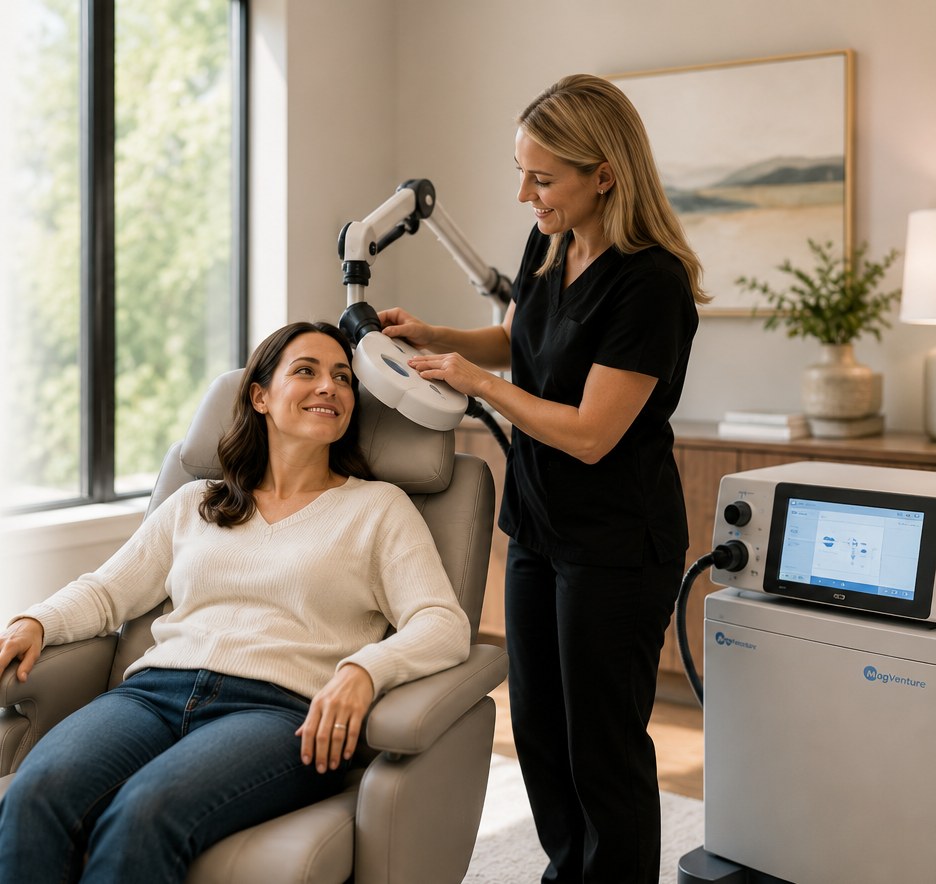
Transcranial Magnetic Stimulation (TMS) uses targeted magnetic pulses to stimulate regions of the brain involved in mood regulation. It is FDA-cleared for major depressive disorder and especially effective when antidepressants haven't brought adequate relief.
TMS requires no anesthesia, has no systemic side effects, and lets you drive yourself to and from sessions — returning to normal activities immediately afterward.
TMS & Insurance Guide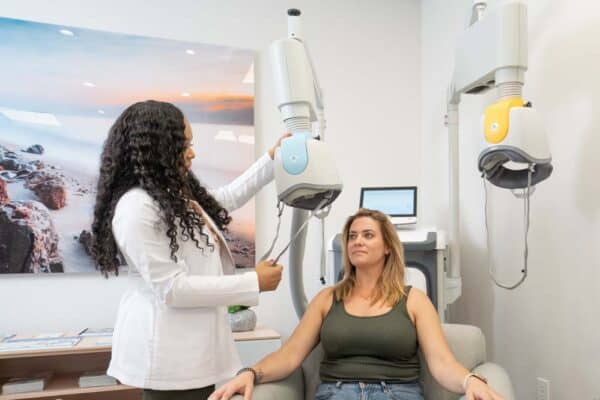
A proven interventional option when traditional treatments haven't been enough.
No surgery, no anesthesia, and no medication changes required. Magnetic pulses are delivered through the scalp to stimulate targeted brain regions.
Sessions last 20–40 minutes. You remain awake, alert, and can drive yourself home — most patients schedule around work and family.
Approximately 83% of patients with treatment-resistant depression experience meaningful improvement; many achieve full remission with durable results.
TMS is covered by most commercial insurance, Medicare, and MaineCare when criteria are met. We handle prior authorization for you.
Unlike medications, TMS does not cause weight gain, sexual dysfunction, or cognitive dulling. Mild scalp discomfort may occur early on and typically resolves quickly.
TMS works alongside your existing antidepressants and therapy. Your psychiatrist and therapist coordinate care under one roof.
A small coil is placed against your scalp near the forehead. The device delivers brief magnetic pulses — similar in strength to an MRI — that stimulate nerve cells in the left prefrontal cortex.
Over a standard course of 36 sessions (5 days per week for 6–9 weeks), repeated stimulation leads to lasting changes in neural activity. Most patients notice gradual improvement beginning around weeks 3–4.

TMS is FDA-cleared for adults with major depressive disorder who haven't achieved satisfactory improvement from antidepressant medications. It may also help with anxiety, OCD, and PTSD.
You may be a good candidate if you:
Not recommended if you have metal implants near the head, a cochlear implant, deep brain stimulator, or history of seizures. Discuss cardiac devices with our team.


A 60–90 minute assessment confirms TMS is appropriate and maps your treatment site.
We verify benefits and handle prior authorization before your first session.
20–40 minute outpatient sessions, typically 5 days per week for 6–9 weeks.
Maintenance sessions available if needed. Therapy and medication continue alongside TMS.